


Subscription billing vs. subscription management: what is the difference?
Billing is about charges and invoices. Subscription management covers the ongoing customer relationship too: what they bought, what changes, when the next period starts and how exceptions are handled.
Quick answer
Billing decides when and how much a customer is charged, and records the invoice. Subscription management decides what the customer has bought and how that agreement changes over time. Most recurring services need both, but a payment tool alone does not run the relationship.
What billing does and what it does not
| Question | Billing | Subscription management |
|---|---|---|
| What it is for | Scheduling and recording charges | Running the ongoing service agreement |
| What it records | Charges, payment results and invoices | The offer, status, changes and history for each customer |
| Customer changes | Adjusts the amount charged | Decides what changes, when it takes effect and what the customer sees |
| Payments and providers | Ties each charge to the payment provider that processes it | Sits above the providers and does not replace them |
| Owner | Finance or the billing system | The team that delivers the service and handles the customer |
Choose billing on its own when
you only need to collect a fixed recurring charge for a product that does not change, and the invoice is the only record you need.
Choose subscription management when
customers buy a service that changes over time, you need one view of status and history, and your team handles plan changes, exceptions and cancellations.
How Komashi fits
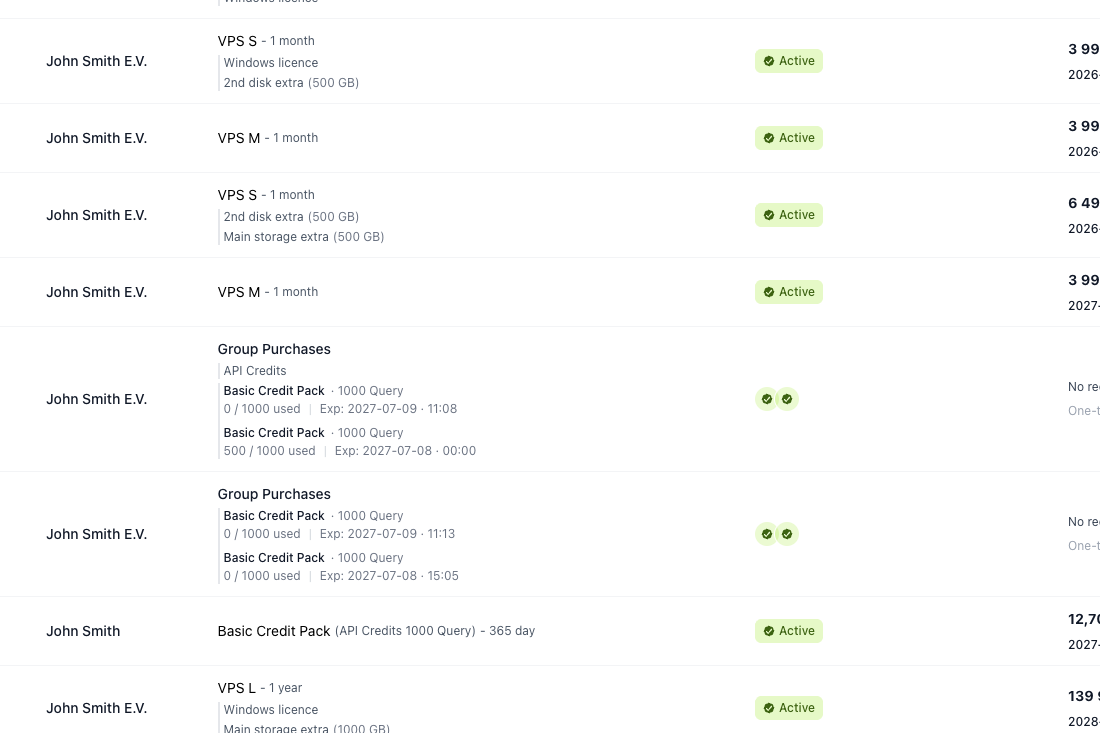
Komashi keeps each subscription as one record, with the status, renewals and changes connected to the customer and the payment and invoicing workflow. The charges themselves run through the providers you connect.
See subscription managementReady to put this into practice?
Explore subscription management.