


Komashi vs Paddle: which is right for your business?
Paddle acts as the Merchant of Record for the sales it processes, so it becomes the seller of record for tax purposes. Komashi does not. That difference decides which model fits your business.
Who each platform is for
Komashi: Businesses that sell their own services and remain the seller of record, using the payment and invoicing providers they choose and the tax treatment they configure.
Paddle: Software and digital product businesses that want a Merchant of Record to handle payments, checkout, tax and compliance for sales across many markets.
What you get out of the box
Komashi
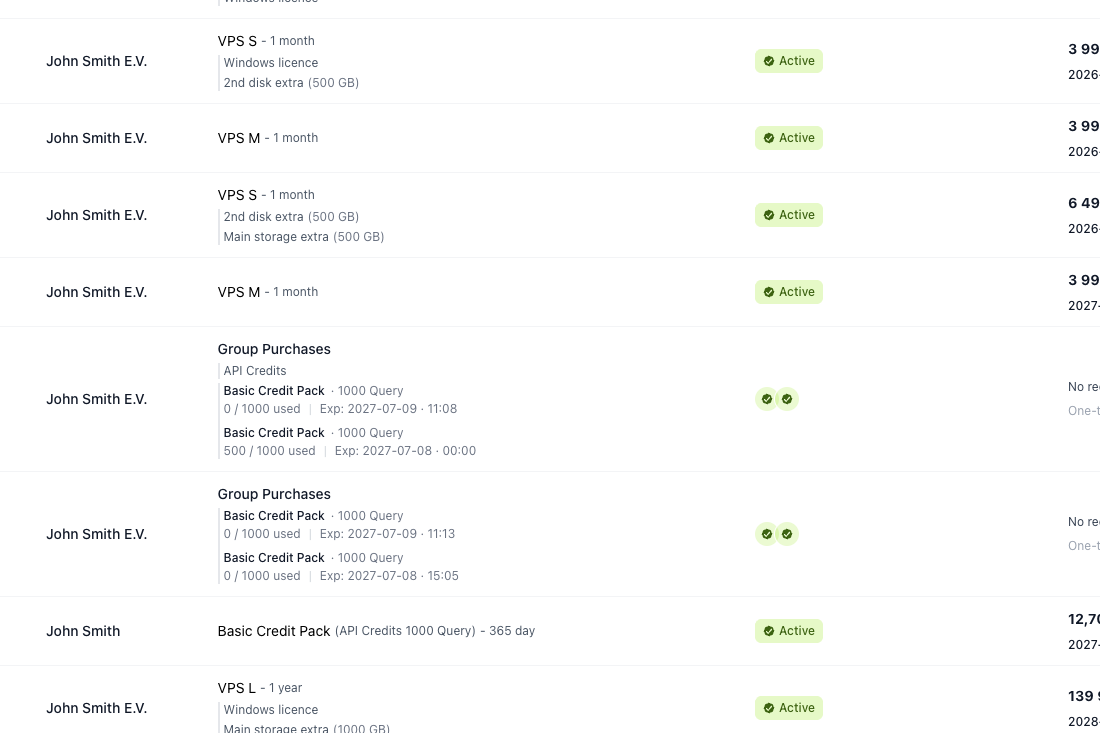
- Service packages with billing periods and add-ons
- Branded storefront and checkout
- Customer portal for plan, subscription status and invoices
- Payment providers: Stripe, Barion, Mollie and PayPal
- Invoicing providers: Billingo and Számlázz.hu
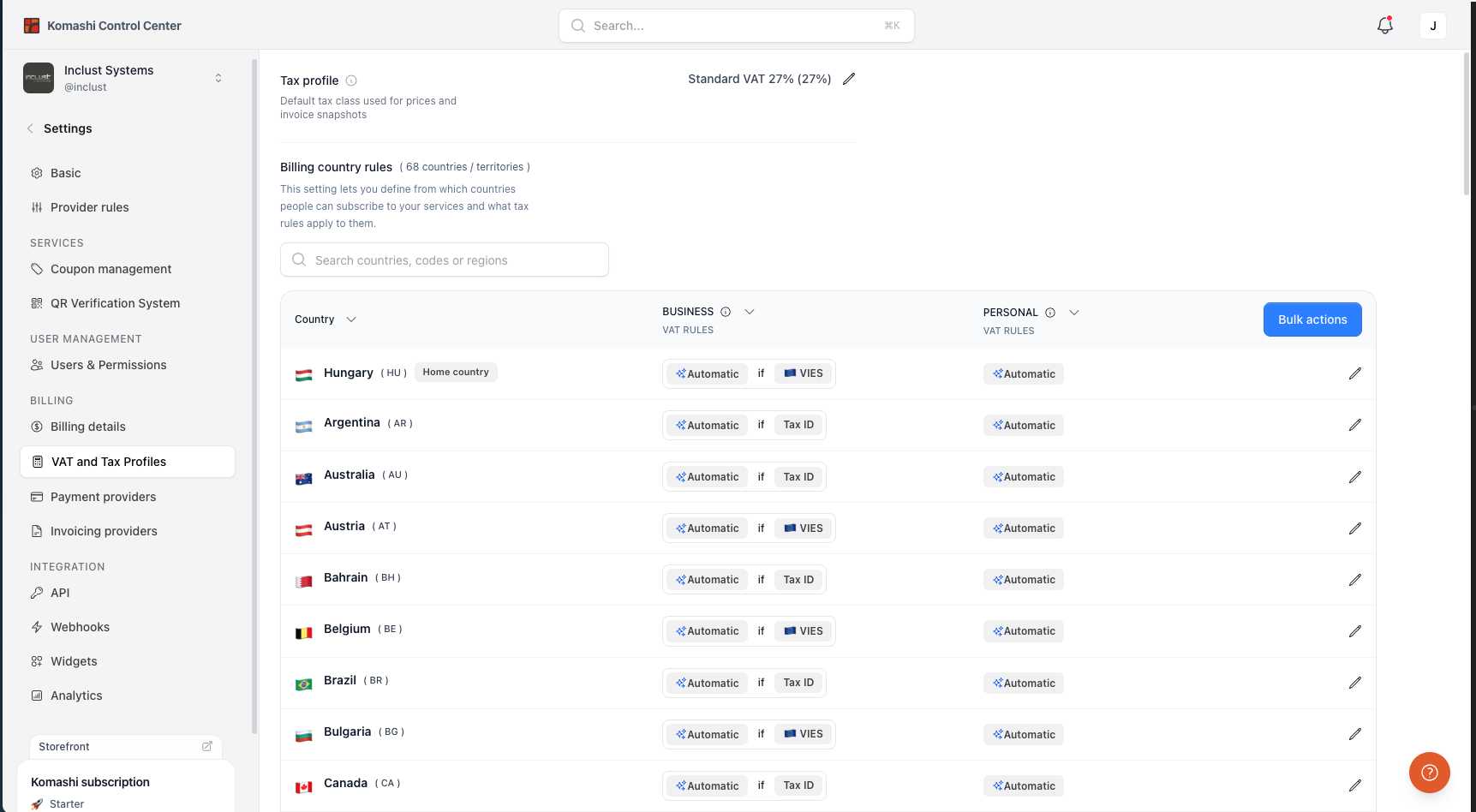
- EU VAT number validation through VIES, and the tax treatment you configure
- API and an MCP server that signs in with OAuth
Paddle
- Merchant of Record: Paddle is the seller of record for the transactions it processes
- Calculation, collection and remittance of sales tax and VAT in the countries it supports
- Localized checkout
- Subscriptions, payments and invoicing
Feature comparison
| Feature | Komashi | Paddle |
|---|---|---|
| Acts as merchant of record (seller of record) | Not supported | Supported |
| Remits VAT and sales tax to authorities | Not supported | Supported |
| Checkout | Supported | Supported |
| Subscriptions | Supported | Supported |
| Invoicing | Supported | Supported |
Statuses reflect the public Paddle pages listed under Sources. Rows we could not verify are left out.
When Paddle may be a better fit
- You sell digital products or software internationally and want the seller of record to handle VAT and sales tax.
- You want one platform to take on tax liability and compliance, rather than managing registrations and filings yourself.
- You want a checkout and billing product built for digital products.
When Komashi may fit better
- You want to remain the seller of record. Komashi does not register, file or remit tax, so those obligations stay with your business or your accountant.
- You sell a service package such as maintenance, hosting or a membership, with packages, add-ons and a setup fee.
- You want Barion, Mollie, PayPal, Billingo or Számlázz.hu as the core of your payment and invoicing flow.
Pricing considerations
Komashi's platform fee: your 10 largest invoices each calendar month are free of Komashi platform fees. Above that, the fee follows the annual invoiced-value band, in USD. Your payment provider charges its own fees on customer payments. Komashi does not take on tax obligations, so the cost comparison is about platform and provider fees, plus the tax work your business keeps.
Paddle's fees are on its pricing page. Because Paddle takes on tax and compliance work, compare the total cost and the work you would otherwise do yourself, not only the headline rate.
Frequently asked questions
What does Merchant of Record mean?
The Merchant of Record is the seller your customer buys from. For sales Paddle processes, Paddle takes on VAT and sales tax collection and remittance in the countries it supports. Komashi is not a Merchant of Record: your business stays the seller.
Who is responsible for VAT with Komashi?
Komashi applies the tax treatment you configure and keeps it with each order and invoice. It does not register, file, remit or determine VAT treatment, so those tasks remain with your business or accountant.
Can Komashi check a business customer's VAT number?
Yes. Komashi validates EU VAT numbers through VIES.
Which payment and invoicing providers does Komashi connect?
Stripe, Barion, Mollie and PayPal for payments, and Billingo or Számlázz.hu for invoicing.
Sources and review date
Last reviewed: 2026-10-26
Competitor statements on this page are checked against these official pages.